
Top questions to ask when buying a fishing boat

Purchasing a fishing boat can be an exciting venture for any avid angler, but it also comes with its own set of challenges. As a potential buyer, it’s crucial to ask the right questions to ensure that you make an informed decision that perfectly suits your fishing needs. Whether you are a seasoned fisherman or a beginner, understanding the specific requirements of your fishing style will help guide your selection process.
Before diving into the details of different models and features, you need to consider what type of fishing you plan to do. Are you aiming for deep-sea adventures, or will you be fishing in calm lakes and rivers? The answers to these questions will directly influence the size, design, and capabilities of the boat you should be looking at. By actively engaging with these considerations, you can narrow down your options and focus on vessels that align with your fishing aspirations.
Additionally, potential buyers should evaluate their budget, maintenance requirements, and storage options before finalizing a purchase. Understanding these practical aspects can save you time and money, and help ensure that your new fishing boat meets not only your fishing needs but also fits smoothly into your lifestyle. With the right questions in mind, you’ll be well-equipped to make a smart investment in your fishing adventures.
What Type of Fishing Will You Be Doing?
Before making a decision, a buyer must consider the type of fishing they plan to do. This choice significantly influences the boat’s specifications and features. Understanding your fishing style will guide you toward selecting the appropriate vessel for your needs.
For freshwater fishing, smaller, lightweight boats often suffice. These boats offer the agility needed to navigate rivers, lakes, and ponds. A flat-bottomed jon boat is a popular option for anglers who frequent calm waters.
In contrast, saltwater fishing typically requires more robust vessels designed to handle ocean conditions. Buyers might consider center console or walkaround boats for this purpose. These designs provide ample space for gear and fishing activities while ensuring stability in choppy waters.
For those interested in offshore fishing, selecting a larger boat with a deeper hull is essential. These boats can brave the open sea, offering safety and comfort on longer trips. Look for features such as a strong engine, ample storage, and fish-finding technology to enhance your fishing experience.
Additionally, consider specialty fishing activities such as fly fishing or ice fishing. Each style may require specialized equipment or specific boat features. A shallow-draft skiff is ideal for fly fishing in shallow waters, while a sturdy, insulated boat is necessary for ice fishing. Understanding these nuances will ensure you choose a boat that meets your specific fishing needs, enhancing your overall experience.
How Much Can You Afford for Your Fishing Boat?

Determining your budget is one of the most crucial steps for any buyer considering a fishing boat. It helps to establish a clear financial framework that not only encompasses the initial purchase price but also ongoing costs like maintenance, insurance, and storage.
Start by assessing your current financial situation. Calculate your disposable income and consider how much money you can comfortably allocate without straining your budget. A good rule of thumb is that your monthly payments for the boat should not exceed a certain percentage of your monthly income.
Next, research the various types of boats available within your price range. Fishing boats can vary significantly in cost depending on their size, brand, and features. Make a list of models that fit your budget and offer the functionalities you require.
Don’t forget to factor in additional costs such as fuel, fishing gear, and potential upgrades. A lower-priced boat may initially seem like a good deal, but if it requires significant maintenance or lacks essential features, you may end up spending more in the long run.
Lastly, consider financing options if you’re not paying in cash. Evaluate interest rates and loan terms, and ensure that the installment payments remain manageable. By following this guide, you can make an informed decision that aligns with your financial capacity and your passion for fishing.
What Features and Equipment Are Necessary for Your Needs?
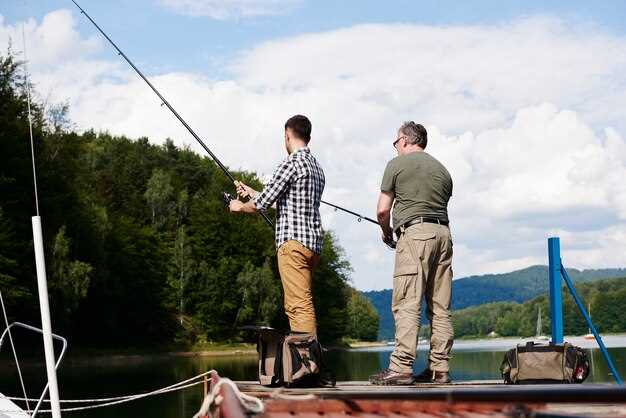
When considering a fishing boat, it is vital for the buyer to evaluate the specific features and equipment that will enhance their fishing experience. Different types of fishing demand distinct characteristics, so identifying your primary fishing style will guide your choices.
Firstly, think about the size and capacity of the boat. A larger boat can accommodate more passengers and gear, which is beneficial for group fishing trips. However, a smaller, more maneuverable boat might be ideal for solo outings in shallow waters. Consider the weight capacity and storage options as well.
Next, examine the boat’s propulsion system. An outboard engine provides flexibility and efficiency for anglers who travel long distances, while a trolling motor is excellent for quiet, stealthy approaches to fishing spots. Depending on the prevalent fishing conditions, the power and type of engine you choose can significantly impact your efficiency.
Additionally, assess the onboard equipment necessary for your fishing adventures. Essential items include rod holders, fish finders, live wells, and storage compartments for tackle and bait. These features maximize your time on the water and ensure you have all the necessary gear within reach.
Safety should also be a priority when selecting a fishing boat. Ensure the boat is equipped with life jackets, fire extinguishers, and first aid kits. Other safety features like navigation lights and bilge pumps can also provide peace of mind during your fishing trips.
Evaluate the overall construction and material of the boat. Durable, corrosion-resistant materials are crucial for longevity, especially if you plan to fish in saltwater. A stable hull design will enhance performance and comfort, making your fishing excursions more enjoyable.
In summary, identifying the right features and equipment based on your unique fishing needs is essential for making an informed purchase. A well-chosen fishing boat should cater to your preferred fishing style, ensure safety, and enhance overall convenience on the water.


